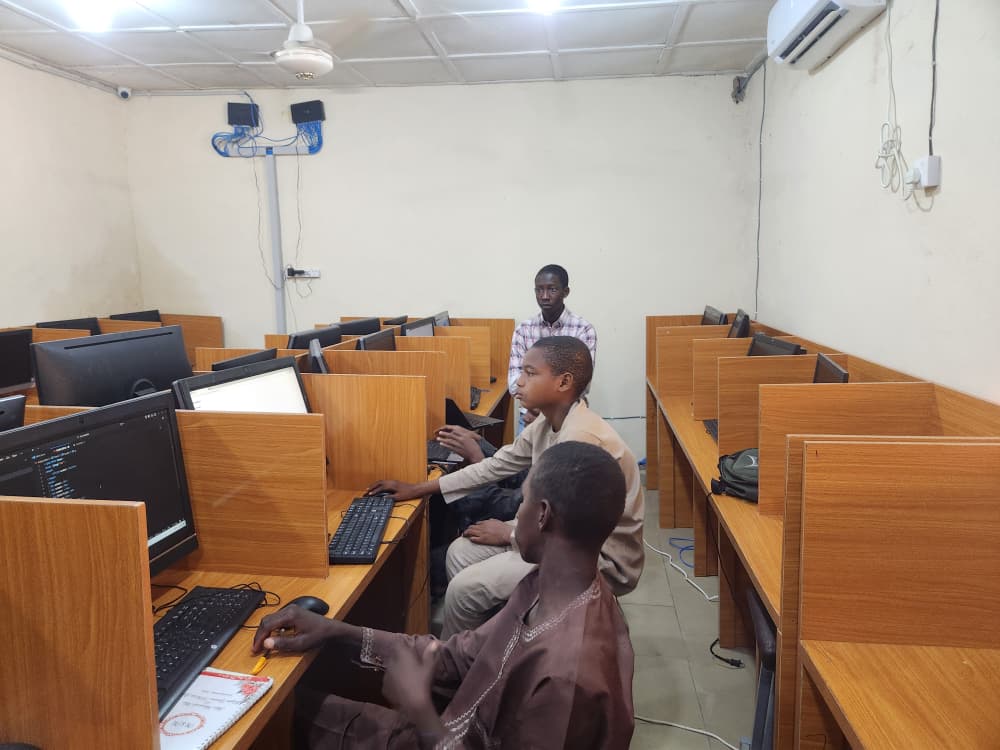
Best Place to Learn Web Basics Online in Yola (2026 Guide)
Searching for the best place to learn web basics in Yola or online in Nigeria? Compare costs, curricula, and outcomes — see what separates real practical training from outdated computer centres, and how beginners go from zero to a live published website in 5 weeks.

“Where can I learn web development in Yola?” is one of the most frequently asked tech questions in Adamawa State and Northern Nigeria. As local businesses, startups, and NGOs rapidly digitize, the demand for developers who can ship fast, responsive websites is rising sharply. But beginners face a minefield of outdated computer centres teaching 2012 syllabi, disjointed YouTube rabbit holes, and expensive programs that leave students without a single line of live code to show for their money.
If you want to learn web development in Yola or online in Nigeria, choose an outcome-first program. A real beginner course must end with a live published website on a custom URL, offer weekly code reviews from working developers, and provide a clear progression into frontend frameworks and internships.
1. What “Web Basics” Actually Means in 2026
True web development literacy is not just memorizing HTML tags or dragging and dropping blocks in a website builder. It is understanding the anatomy of modern web systems so you can build, customize, and troubleshoot interfaces from scratch. Anyone offering web training that doesn't have you deploying live code to the internet is leaving the job half-done.
- Web Architecture — how browsers make HTTP/HTTPS requests, how DNS routing works, and what happens between entering a URL and seeing a webpage.
- Semantic HTML5 — structuring layouts cleanly with proper tags (<main>, <article>, <section>, <nav>) for accessibility and search engine indexing.
- Modern CSS3 — Flexbox, CSS Grid, custom properties, and mobile-first media queries so websites adapt seamlessly to smartphone screens.
- Interactive JavaScript — handling button clicks, mobile drawer menus, form validation, and reactive UI elements.
- Version Control & Hosting — pushing code to GitHub and deploying live production builds to platforms like Netlify or Vercel.

2. The 3 Learning Routes in Yola: An Honest Comparison
Prospective learners in Yola usually consider three primary paths: free self-learning, traditional walk-in computer centres in town, or modern mentored cohort bootcamps. Here is how they stack up against each other:
| Feature / Metric | Free YouTube / Self-Taught | Walk-in Computer Centres | Syncbright Web Basics |
|---|---|---|---|
| Curriculum Currency | Fragmented, often outdated | 2012–2016 syllabi (tables, MS Office) | 2026 modern web standards |
| Live Mentorship | None (debugging alone) | Generic tutor, divided attention | Live Zoom sessions + working devs |
| Code Reviews | Zero feedback on code quality | Rarely inspected beyond visual | Weekly 1-on-1 code reviews |
| Capstone Outcome | Unfinished tutorial clones | Class files stored on flash drive | Custom portfolio site deployed live |
| Completion Rate | Under 5% (high dropout) | Moderate (depends on attendance) | Over 85% (cohort accountability) |
| Cost | Free (costs months of wasted time) | ₦15,000 – ₦25,000 | ₦25,000 (instalments available) |
| Career Next Step | Unclear progression | Dead end certificate | Frontend (React) & internship bridge |
While free tutorials are abundant online, the hardest part of learning to code isn't finding information — it is debugging when your layout breaks at 11:00 PM, maintaining consistency, and knowing what to build next. Mentorship and cohort momentum provide the accountability that turns beginners into finishers.
“The internet has unlimited free tutorials, yet most beginners quit within three weeks. The differentiator is not information — it is direct mentor feedback, structured deadlines, and the pressure of shipping a real project.”
3. What 5 Real Weeks Look Like: The Syllabus to Judge By
Before committing time or money to any tech course in Nigeria, inspect the week-by-week syllabus. If the program cannot show you a clear trajectory from syntax to a deployed application, look elsewhere. Here is the exact structure used in the Syncbright Web Basics program:
Week 1: Fundamentals of the Web & Developer Setup
We kick off by demystifying how the internet operates. You install industry-standard developer tools: Visual Studio Code, recommended extensions, and Chrome Developer Tools. You write and preview your first HTML page locally and learn the core syntax conventions that all professional web developers adhere to.
Week 2: Semantic HTML5 & Content Architecture
You move beyond basic tags to master semantic document structure. We cover forms, input validations, audio/video embeds, and accessible link structures that search engines love. By the end of Week 2, you can structure any web document cleanly without relying on visual drag-and-drop crutches.
Week 3: Modern CSS3, Flexbox & Responsive Layouts
Over 80% of web traffic in Nigeria originates from mobile devices. In Week 3, you learn modern CSS layout engines: Flexbox for one-dimensional layouts and CSS Grid for complex page architectures. You learn mobile-first responsive media queries so your designs look sharp on small Android screens, iPads, and large desktop monitors alike.
Week 4: Practical JavaScript & Interactivity
Static pages become interactive web applications. You learn basic JavaScript variables, functions, and the Document Object Model (DOM). You build common real-world components: a responsive mobile navigation drawer, interactive accordions, dark/light theme toggles, and modal dialogues.
Week 5: Capstone Project, Version Control & Live Deployment
The final sprint is dedicated to building and deploying your capstone: a personalized, responsive portfolio website highlighting your skills and future projects. You learn Git version control basics, push your code to GitHub, and deploy your site live to the cloud on Netlify or Vercel. You leave class with a real URL to share with friends, clients, and future employers.
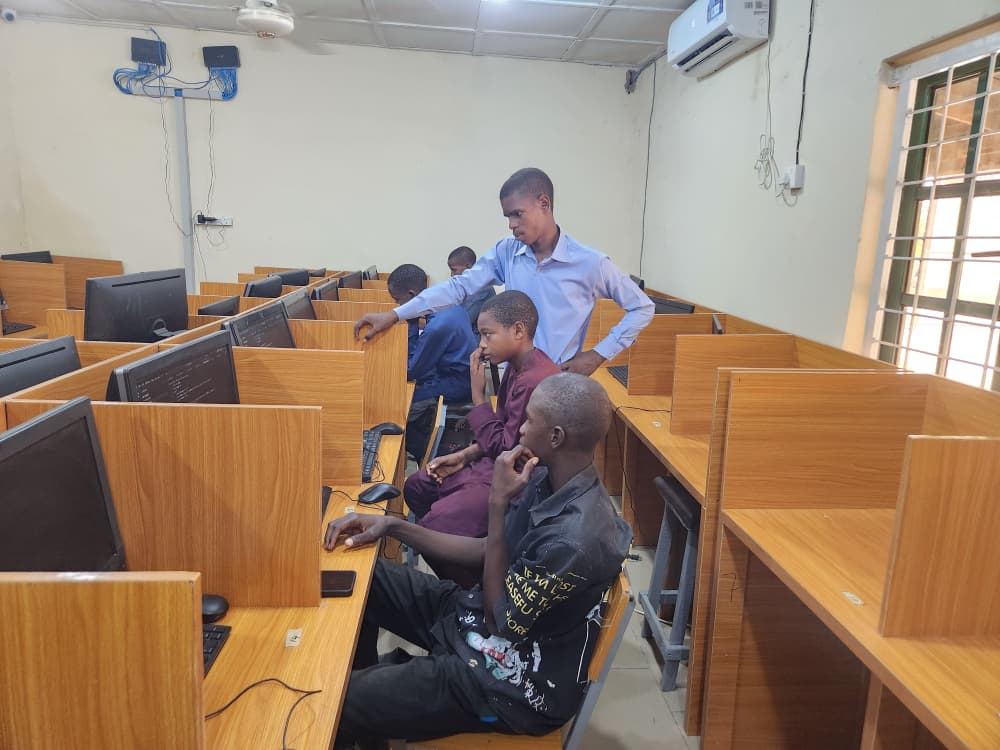
4. Hardware & Internet: What You Actually Need in Yola
A common misconception among Nigerian youth is that you need an expensive Apple MacBook or high-speed fibre optic internet to start programming. That is simply untrue for web basics.
Any dual-core laptop running Windows 10/11, macOS, or Ubuntu Linux with at least 4GB of RAM will run VS Code and modern browsers smoothly. If your laptop can browse the web and stream a video, it can build websites.
To address Nigeria's unique power and data realities, classes are conducted with low-bandwidth video settings, and high-resolution screen recordings are published to the LMS immediately after each session. If NEPA cuts power in Jimeta or your network fluctuates in Yola Town, you can catch up on your own time without falling behind the cohort.
5. Cost vs. Return on Investment (ROI): The Real Numbers
In Yola today, computer centres charge between ₦15,000 and ₦35,000 for generic computer training courses that rarely produce demonstrable software engineering skills. Syncbright's Web Basics program is priced at ₦25,000 for the full 5-week intensive, with 2-part instalment options available upon request.
Consider the return: once you understand responsive web development, building even a simple 3-page landing page or digital business card for a local SME, pharmacy, or school in Yola or Abuja can earn between ₦50,000 and ₦150,000. The cost of proper foundational training pays for itself on your very first freelance gig.
6. The Reality Check: What Comes After Web Basics?
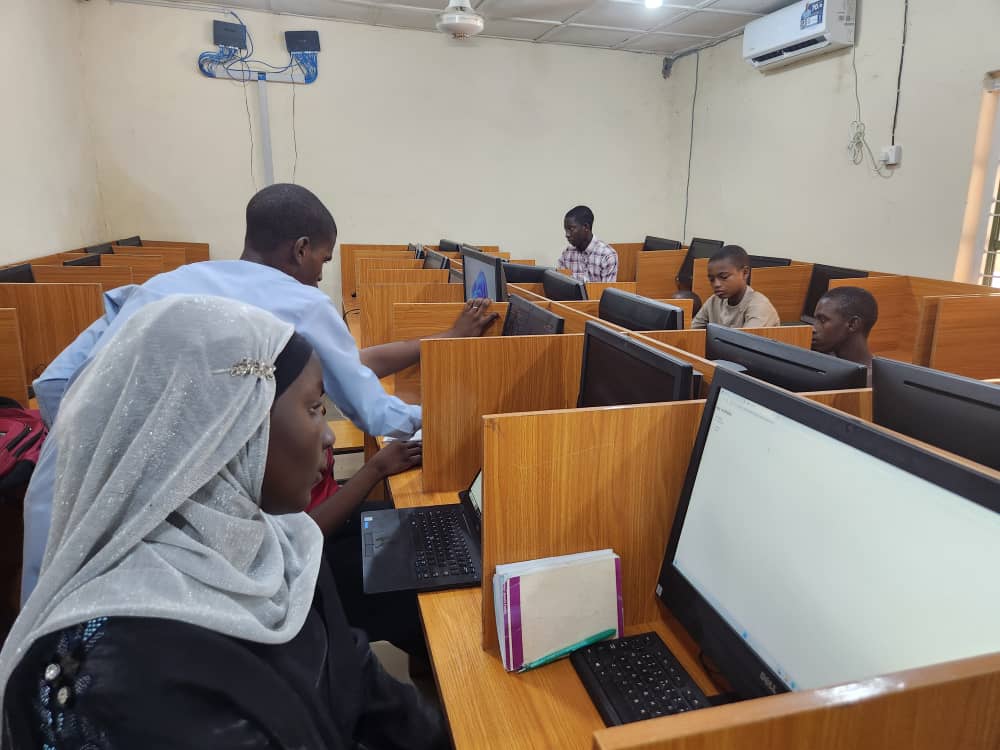
We believe in radical honesty with every prospective student: Web Basics alone is not a guarantee of a senior engineering salary. It is Step 1 of your journey. It establishes code fluency, builds your first live portfolio project, and prepares you for:
- Frontend Development (React, Next.js & Tailwind CSS) — building dynamic web apps and SaaS products.
- Backend Development (Node.js, Express & Databases) — building APIs, authentication, and database schemas.
- Syncbright Live Internship — interview-gated practical work on live commercial products for top-performing graduates.
Ready to Build Your First Live Website?
Join the next Web Basics cohort at Syncbright Technologies. Live online across Nigeria, with in-person sessions in Yola. ₦25,000 with flexible instalments available.
View Web Basics Syllabus & EnrollWritten by Syncbright Technical Team
Syncbright Technologies is a CAC-registered tech company in Yola, Adamawa State. We engineer high-performance web applications and digital systems for clients, while mentoring the next wave of Nigerian software developers through practical, project-based cohorts.